
An excerpt from our September newsletter. You can subscribe here.
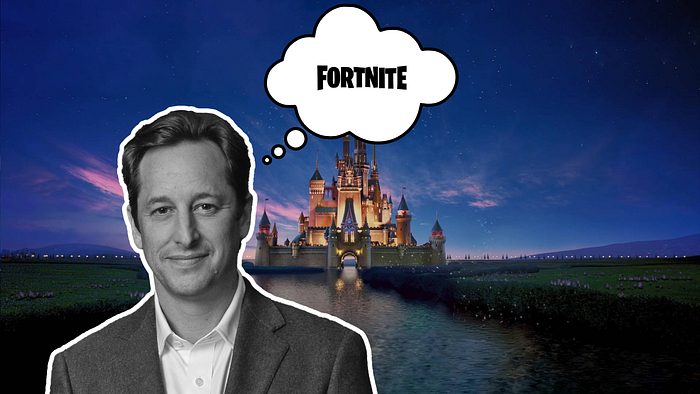
It is no secret that Disney is embracing YouTube.
In recent months, it seems Disney has had a strategy shift in regards to YouTube. Disney is now utilizing the platform in various ways, courting creators, and is making strides to build out their presence on there.
Last year, Disney was considering putting more full episodes of Disney+ and Hulu series geared to older kids and adults directly on YouTube. The goal in mind was to attract the younger demographic who aren’t Disney+ and Hulu subscribers. For example, earlier this year, Disney posted full episodes of Andor and Win or Lose for a limited time on their YouTube channels in an effort to entice potential viewers and subscribers. Disney also first premiered its holiday short last year on YouTube before Disney+. The Assembled episode of Agatha All Along also premiered on YouTube first. Disney understands YouTube’s engagement is off the charts and that it’s also free.
Disney has embraced YouTube as a “free funnel” to get viewers to become Disney+ subscribers. I’ve always suggested that Disney should create its own FAST (free ad-supported television) streamer. Yet if we look at Disney’s current strategy, it seems like YouTube is their FAST. Just think about it. YouTube is almost too easy of an opportunity for Disney. All they have to do is provide the content, and then they can monetize it. YouTube handles all the technical aspects of its platform. If Disney were to create its own FAST streamer, it would need infrastructure and tech stack with YouTube; it’s just posting.
Disney is also utilizing YouTube data to inform decisions, for example, a series of Winnie the Pooh shorts on YouTube performed well enough that they decided to do a Disney Junior Winnie the Pooh series. Disney also knows the younger generations are on YouTube, and they want to just meet them there. Just look at the boom of children’s content that has come out of the YouTube sphere, like Cocomelon.
Speaking of Cocomelon, Former Disney exec turned Cocomelon owner Kevin Mayer once said that he didn’t believe Disney fully utilized YouTube. “But I don’t think that we at Disney, nor have any other traditional media companies, leaned into YouTube as an original storytelling device the way they probably should have,” Mayer told CNBC.
Now it seems that Disney is utilizing it as an original storytelling device. A Disney Princess Concert was streamed first on YouTube before Disney+. Disney is also doing companion podcasts for their series that will be on both Disney+ and YouTube, on top of traditional podcast platforms. It seems like nowadays, a lot of Disney projects being released come with the tagline of “on Disney+ and Disney YouTube.”
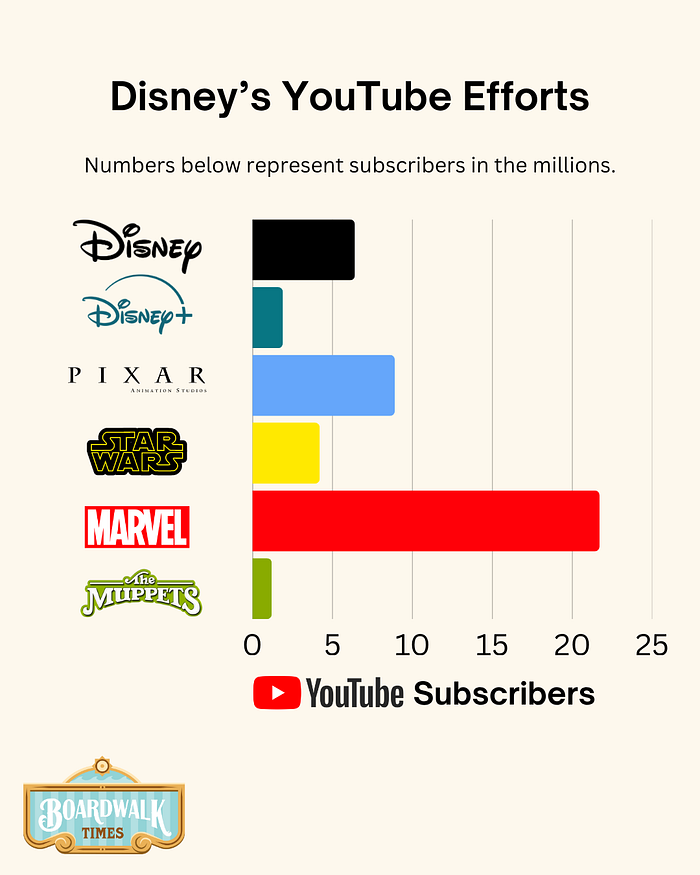
Disney’s official YouTube account has 6.4 million subscribers, so it has the potential to have way more, especially when you consider how big certain YouTube accounts are. The other accounts on Disney’s official YouTube channel include Disney+ (1.9 million subscribers), Pixar (8.9 million subscribers), Star Wars (4.2 million subscribers), Marvel (21.7 million subscribers), and The Muppets (1.2 million subscribers). That’s just a select few accounts and doesn’t even include the Disney Parks YouTube accounts. Disney has millions of subscribers across all their channels, but they have the potential for even more growth.
Walt Disney Imagineering has fully embraced YouTube. The division now has multiple YouTube series on its channel, including We Call It Imagineering and Imagineer That. WDI has also recruited major creators like Michelle Khare and Cleo Abrams to do videos at Walt Disney Imagineering’s headquarters. This is also on top of other influencers and YouTube channels going to tour Imagineering. The effort is building the brand of Walt Disney Imagineering in the minds of casual fans, but it is also a showcase of what Imagineers do.
Disney Parks is embracing a more creator-friendly approach when it comes to its YouTube channel. Paging Mr. Morrow did a video for Disney Parks, and that video has over 100,000 views and is outpacing a lot of their other recent videos. It shows the power of creators, but also shows how Disney made a smart play at collaboration. I wouldn’t be shocked if we see more collaborations with Paging Mr. Morrow and similar creators.
Leslie Iwerks’ Disneyland Handcrafted is also dropping on YouTube in addition to Disney+. Disney obviously realizes that historical content gains traction on YouTube, so I’m sure they are expecting this one to do well on both platforms. Still, it is fascinating to think how a few short years ago that a Leslie Iwerks documentary would be going anywhere other than Disney+.
YouTube is also now impacting Disney+ in other ways. Disney has added user-generated content to the platform. The first batch of content is videos about Lilo & Stitch, but it seems like it’s just the start. We will likely see more user-generated content on Disney+ in the near future. I also wouldn’t be surprised if we see Disney+ integrate YouTube-like features (curated playlists, live channels, and more) as ways to increase engagement. Disney Entertainment CTO Adam Smith is a veteran of… you guessed it… YouTube. Smith and his team have been hard at work upgrading Disney+’s UI/UX, and I wouldn’t be shocked if they start running some plays straight out of the YouTube playbook.
Disney’s embrace of YouTube is a strategy of meeting the audience where they are and utilizing the power of YouTube’s platform in a way to get more viewers engaged with Disney content. Obviously, Disney hopes to convert those eyeballs to Disney+, but even if they don’t, it still benefits them in the end.
Be sure to continue to follow Boardwalk Times for more coverage of The Walt Disney Company.
Support Boardwalk Times on Ko-Fi.
Support Boardwalk Times by shopping on Boardwalk Store:
If you like this article. Subscribe to my free newsletter Boardwalk Times: Stories from the Seashore, a monthly dose of Disney, its businesses, and the wider themed entertainment industry.
Zach Perilstein is the Editor-in-Chief of the Boardwalk Times